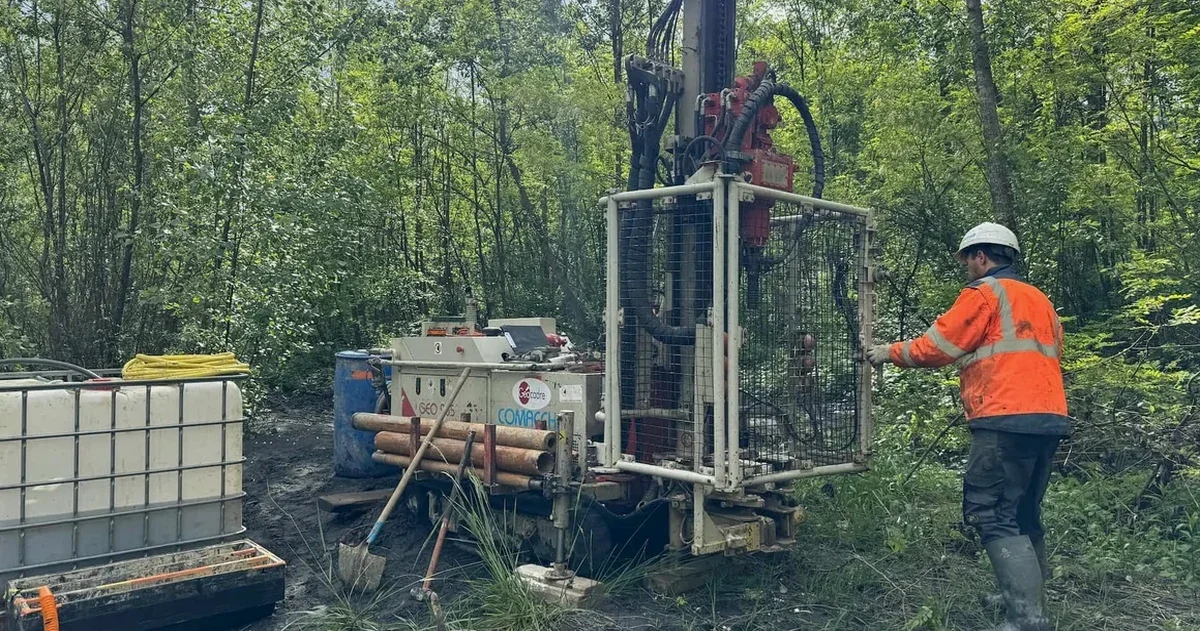
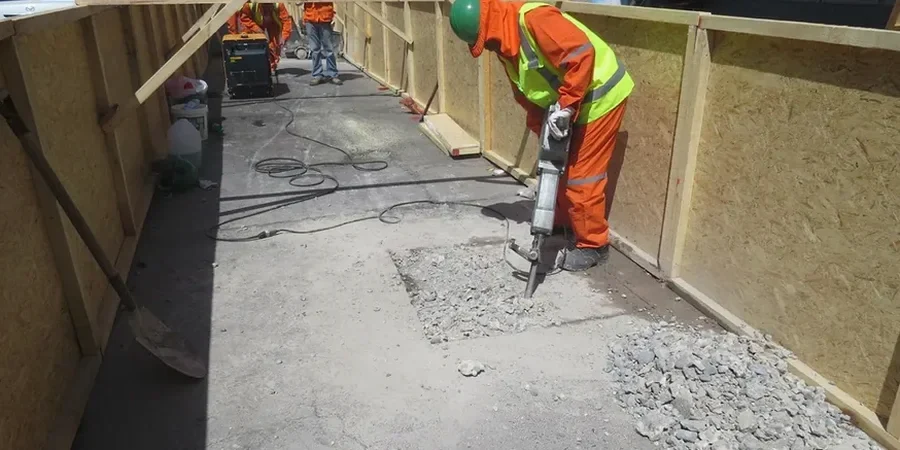
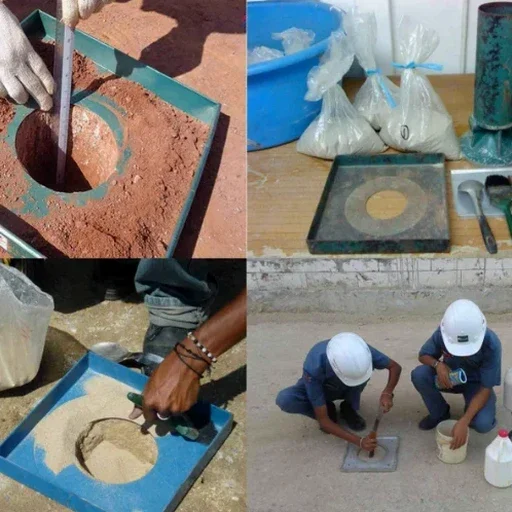
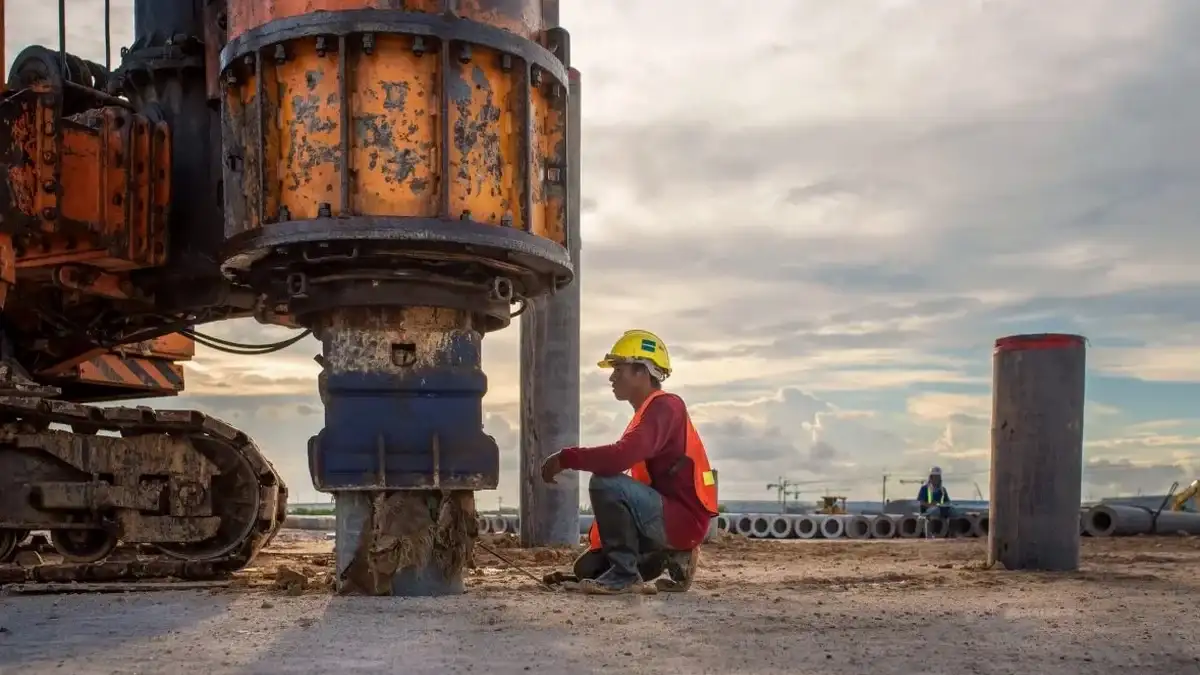
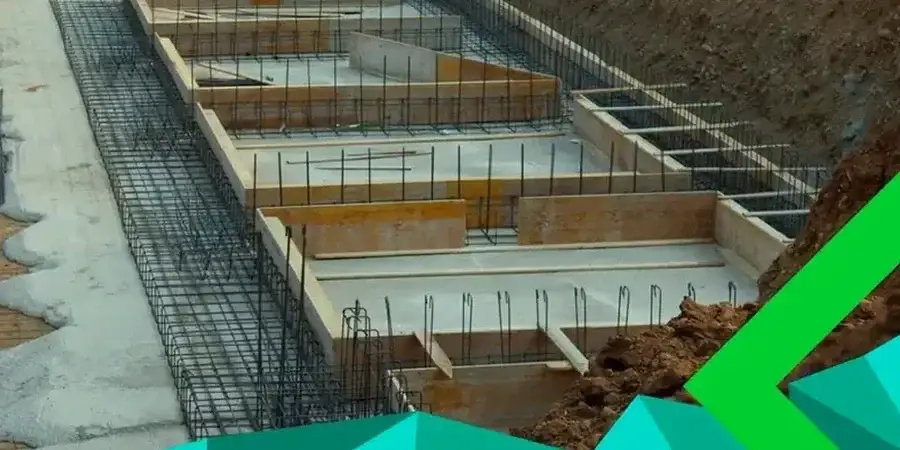
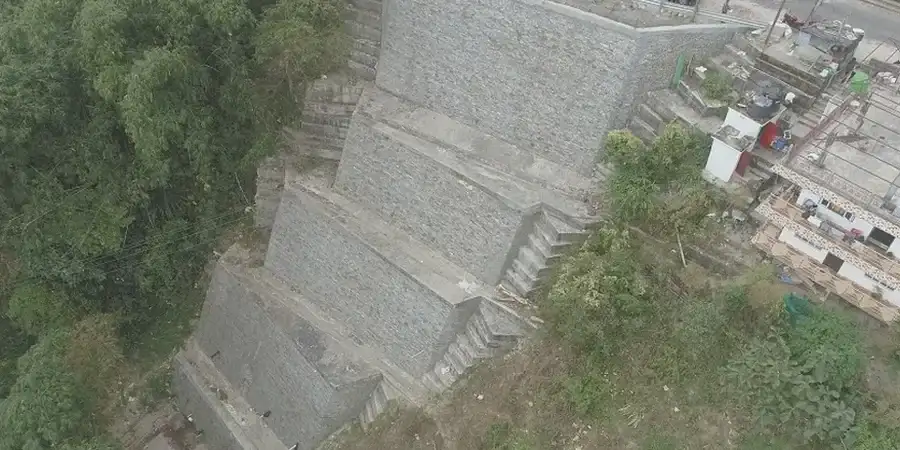
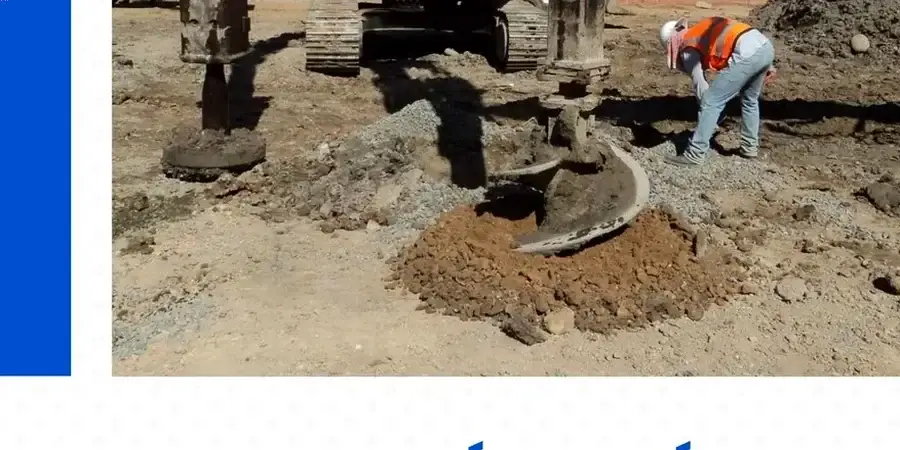
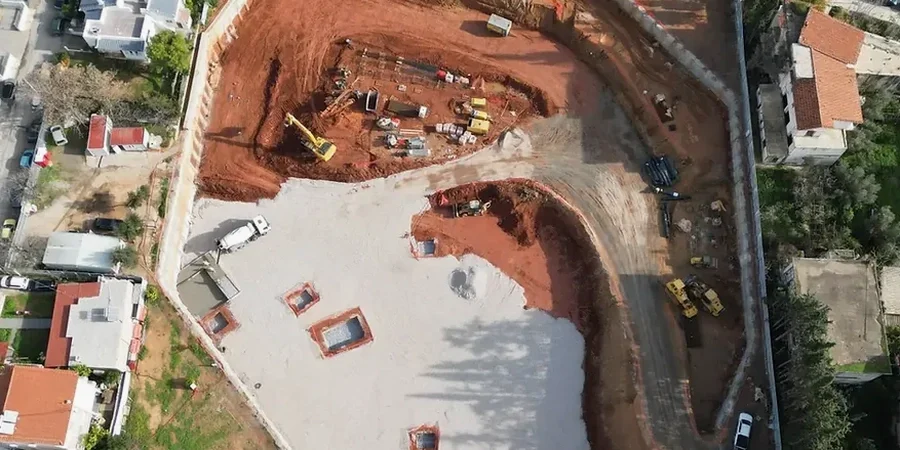
North Bay sits right where the Canadian Shield meets the Great Lakes lowlands, a geological transition that creates some of the most variable ground conditions in Ontario. The winters here are no joke either—frost can penetrate over 1.8 meters, and the freeze-thaw cycles chew through weak soils in ways that standard southern Ontario designs just don't account for. A soil mechanics study in this region has to capture the full picture: glacial till lenses that change stiffness every few meters, pockets of soft varved clay from the old glacial Lake Algonquin, and bedrock that can be either solid granite or heavily fractured gneiss within the span of a single borehole. For anyone developing along the Highway 11 corridor or densifying near the downtown core, skipping this level of characterization is asking for differential settlement problems that show up within the first two winters. We typically complement the field investigation with a grain-size analysis to quantify the fines content in those till layers, because the drainage behavior here swings wildly between well-graded sand and silty matrix material.
In North Bay, the difference between a foundation that performs for 50 years and one that cracks in five winters often comes down to whether the soil mechanics study identified the true bedrock contact and the sensitivity of the overlying clay.