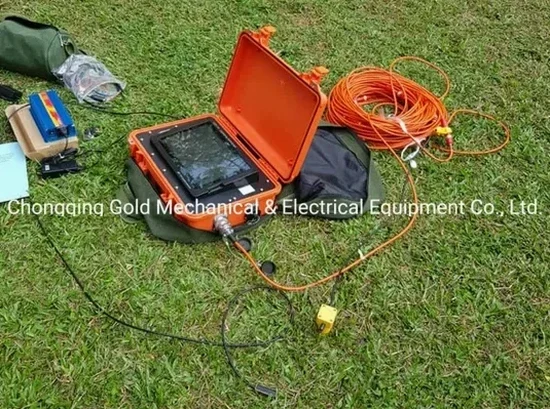
North Bay sits on the western edge of the Ottawa-Bonnechere Graben, a seismically active rift zone where Paleozoic limestone is often masked by thick glacial overburden. Mapping the contact between these compact tills and the underlying bedrock isn't straightforward with conventional drilling alone. That's where seismic tomography becomes a practical tool—refraction profiling reveals the top-of-rock topography and velocity layering, while reflection imaging catches deeper fault structures and karst voids that could complicate a foundation design. In our experience, combining both techniques on the same transect gives you a much clearer picture of what's underground before the first excavator bucket hits the ground. For sites along the escarpment where Lake Algonquin varved clays create tricky velocity inversions, we pair the MASW survey with refraction lines to cross-validate the shear-wave profile and avoid misinterpreting a soft layer as bedrock.
In a graben setting like North Bay, an undetected fracture zone under a footing can channel groundwater and compromise bearing capacity over time.