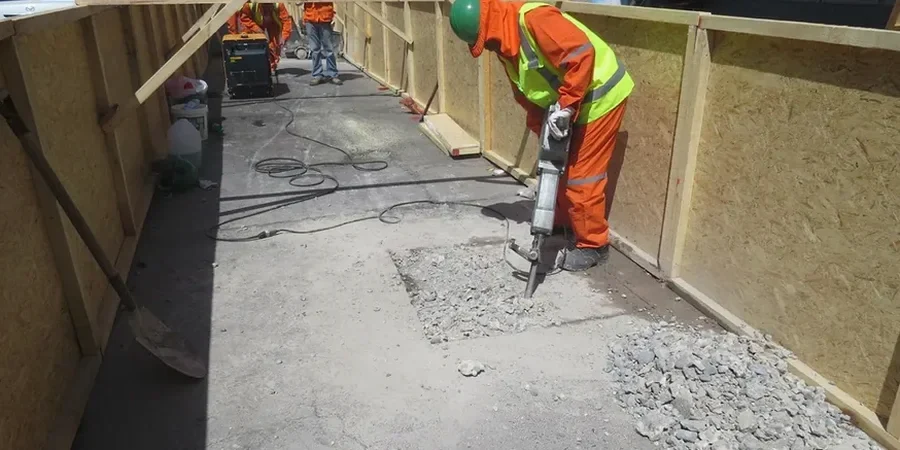
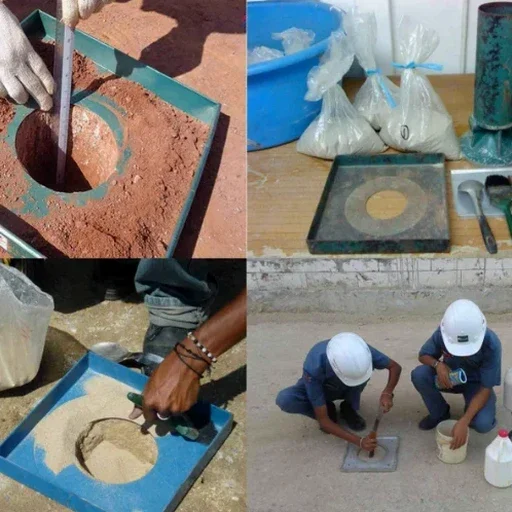
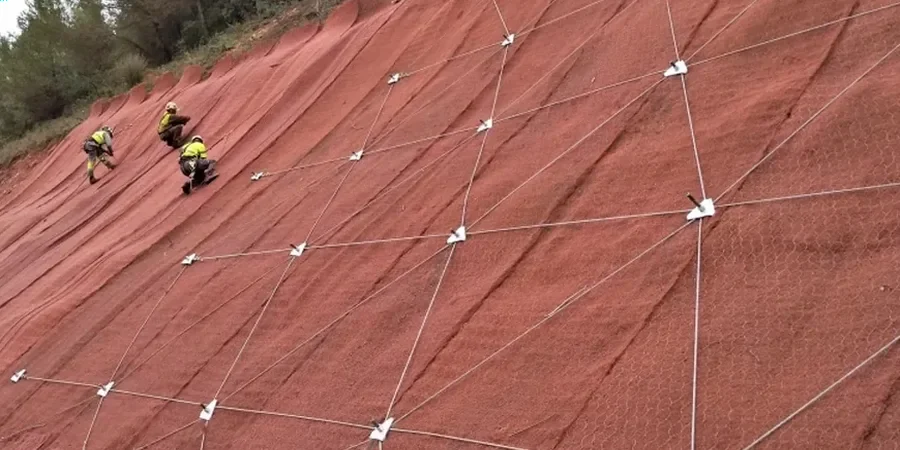
A common mistake in North Bay is treating the rocky escarpments overlooking Lake Nipissing as monolithic stable blocks. They're not. Seasonal freeze-thaw cycles wedge into the Precambrian shield fractures, and spring melt saturates the thin silty till veneer, triggering shallow translational slides that catch unprepared contractors off guard. We see this on Airport Hill and along the escarpment near the university. Before clearing or cutting into a slope, you need a quantitative analysis that goes beyond visual inspection. Our team runs limit equilibrium models for rotational and planar failures, factoring in the local groundwater perched above the bedrock interface. This data shapes bench geometry and drainage specifications. We typically combine the slope analysis with field verification through test pits to map the actual overburden depth, or with CPT testing in softer clay pockets near Chippewa Creek.
A 1.5 safety factor on paper means nothing if the model ignores the spring water table perched at the till-bedrock contact.